Seminar on the 10 June 2026.
Sonic ways of knowing: researching life using sound
Register here for the seminar.
In this session Richard Longman explores how sonic practices can serve as creative modes of organisational inquiry.
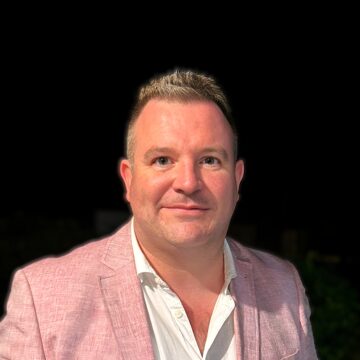
Source: RLongman
Richard begins with the Organising Songs series, where he approached popular music not as cultural backdrop but as a way of knowing organisations – their tensions, atmospheres, and affective architectures. Treating each track as an analytic site allowed questions of voice, power, conflict, and emotion to emerge through the grain of sound rather than through thematic reduction. As this work evolved, Richard widened the listening field to include everyday sonic textures such as the hum of data servers, the background noise of open-plan offices, the chants of protest in the street, and the crackle of poor phone reception. These sounds reveal how organisational life is shaped, disciplined, and occasionally disrupted by the sonic environments it produces. Alongside these textures, Richard approaches silence as an active presence: a material through which refusal, exclusion, and organisational power can be heard. Drawing on sound studies and creative research traditions, he considers how writing itself becomes a form of sonic practice: a method for tracing atmospheres and affective residues that rarely surface in managerial accounts. The session proposes songs, sounds, and silences as relational methods that unsettle dominant ways of understanding organisations and open space for more nuanced, sensory, and politically attentive forms of analysis.
Register here for the seminar.
Richard is a researcher, educator, and academic leader working at the intersections of critical management studies and the humanities. His work explores how organisations are shaped by the ethical, political, and sensory conditions of contemporary life. Trained originally as a classical musician, he brings an embodied and affective sensibility to organisational inquiry, using sound, silence, and listening as ways of unsettling dominant managerial assumptions and tracing the atmospheres through which power circulates. His research spans critical organisation studies, cultural and creative industries, and emerging conversations on sonicity in organisational life. Through projects ranging from opera companies to open-plan offices, he investigates how practices of listening, rhythm, noise, and refusal open questions of voice, authority, and inclusion. This work informs his public scholarship, including Organising Songs, a Substack series that uses music and the unsounded world as analytic and political method. Richard currently serves as Associate Head of School at The Open University Business School, where he his responsibility is for the taught postgraduate programmes. Across his roles, he works to cultivate epistemic plurality, inclusive pedagogy, and organisational spaces capable of engaging with the complexities and contradictions of polycrisis.
Subscribe to the recordings:
Video hosted on the PAR YouTube channel.
Audio hosted on the PAR Buzzsprout channel and can be listened to on Spotify, Apple podcasts or on other RSS podcast apps.
The Practice As Research network with its resources is free and always will be, but it does of course incur costs to run and to keep it running. If you use it and benefit, enjoy it and would like to keep it going, please, consider leaving something in the tip jar. Thank you!